New Jersey, in 2024, became the 33rd state to permanently legalize cocktails to-go, transforming a pandemic-era lifeline for businesses into a lasting consumer convenience. Governor Mikie Sherrill signed legislation solidifying this policy, allowing restaurants and bars to sell and deliver cocktails for off-premises consumption, according to New Jersey Globe. This decisive action marks a significant shift in the state's alcohol sales approach, poised to reshape the hospitality sector.
New Jersey's alcohol regulations were historically restrictive, limiting off-premises sales for many licensees. Yet, the temporary allowances during the pandemic proved immensely popular and economically vital for businesses, ultimately driving their permanent adoption. This inherent tension between traditional caution and undeniable economic benefit fueled the legislative momentum.
Therefore, New Jersey's hospitality industry is poised for sustained revenue growth and heightened customer engagement through expanded off-premises sales. This permanent policy solidifies a new, low-friction revenue stream, potentially influencing other states to further liberalize their alcohol regulations.
What Does New Jersey's To-Go Cocktail Law Permit?
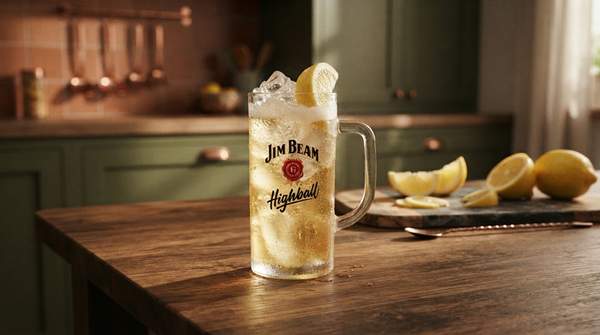
Businesses with retail consumption licenses can now sell alcoholic beverages in original sealed containers, alongside mixed drinks in closed, sealed vessels for off-premises consumption, according to wrnjradio. This extends significant operational flexibility, broadening market reach for establishments previously limited to on-premises sales. Crucially, the inclusion of original sealed containers provides a more comprehensive revenue stream beyond just mixed cocktails, allowing businesses to move existing inventory off-premises.
Craft distilleries also gained expanded market access, permitted to sell certain mixed drinks for both on- and off-premises consumption, according to NJ Senate Democrats. This targeted expansion supports local producers and intensifies competition within the broader alcohol retail sector, signaling a strategic effort to diversify the state's beverage landscape.
How Did New Jersey Legalize To-Go Cocktails Permanently?
Governor Mikie Sherrill signed bipartisan legislation S-4384, permanently allowing bars, restaurants, and craft distilleries to sell cocktails and other alcoholic beverages for off-premises consumption, according to NJ Senate Democrats and njbia.org. This action formalized a COVID-related policy, initially a temporary measure, into lasting law.
Bipartisan support for S-4384, signed by Governor Mikie Sherrill, signals a broad economic consensus: the "pandemic-era lifeline" has transformed into a permanent, politically palatable revenue stream. This fundamentally alters the operational framework for licensed establishments, prioritizing business flexibility and consumer demand over traditional regulatory conservatism.
New Jersey Joins What National Trend?
New Jersey became the 33rd state to enact a permanent cocktails-to-go law, joining a significant majority of states and the District of Columbia, according to distilledspirits. This solidifies a nationwide shift in alcohol sales policies.
New Jersey's decision confirms a national trend: states increasingly prioritize business flexibility and consumer demand over traditional regulatory conservatism. This move, influenced by observed benefits in other states, indicates a growing acceptance for increased convenience in alcohol sales and a broader recognition of the economic opportunity provided by expanded off-premises options. It's less about pioneering new policy and more about adopting a widely proven economic model.
How Will Permanent To-Go Cocktails Impact Businesses?
The new law explicitly allows licensed entities or third-party delivery services to deliver mixed alcoholic beverages and original, sealed malted beverages to consumers for off-premises consumption, according to nj. This formalization, via Senate Bill 4384, ensures a stable and predictable revenue stream for businesses. This strategic integration of modern logistics into alcohol sales not only opens new revenue streams but also accelerates a shift in consumer behavior towards app-based convenience, potentially reshaping the traditional customer-establishment dynamic.
By allowing licensed entities or third-party delivery services to deliver, New Jersey actively integrates its hospitality sector into the broader gig economy. This creates new opportunities and dependencies, offering a low-friction revenue stream that disproportionately benefits established retail consumption licensees and delivery services.
Your Questions Answered About NJ To-Go Cocktails
When did New Jersey make cocktails to-go permanent?
New Jersey officially made cocktails to-go permanent in 2026, with Governor Mikie Sherrill signing legislation S-4384. This solidified temporary pandemic-era allowances into lasting policy.
What are the rules for to-go cocktails in NJ?
Businesses with retail consumption licenses, including restaurants and bars, can sell mixed alcoholic beverages in closed, sealed containers for off-premises consumption. Craft distilleries also gained expanded permission for both on- and off-premises sales of certain mixed drinks.
Can I get alcoholic drinks delivered in New Jersey?
Yes, consumers can receive delivery of mixed alcoholic beverages and original, sealed malted beverages from licensed entities or approved third-party delivery services, enhancing convenient home access.
The integration of third-party delivery platforms into New Jersey's alcohol sales will likely pressure traditional liquor stores to innovate their service models or risk losing market share to more adaptable establishments.