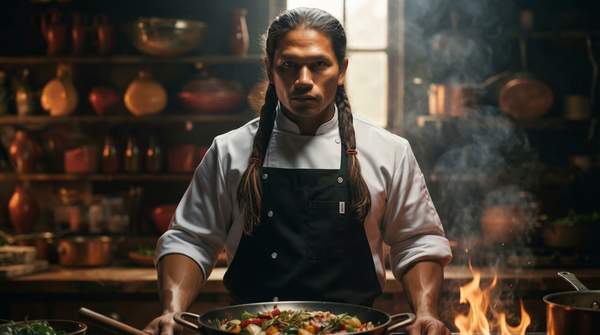
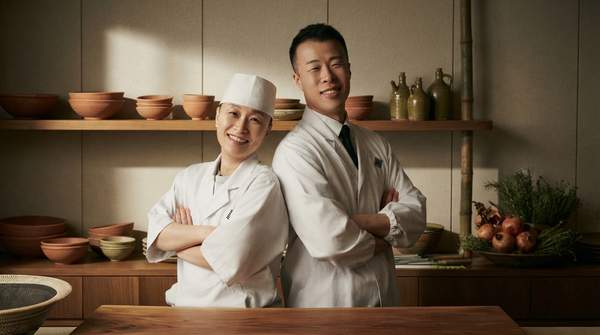
Chef 'Z' recently shuttered his acclaimed Michelin-starred restaurant, pivoting entirely to an online cooking school and brand partnerships. Chef 'Z's bold move generated five times his previous income in just one year, according to Chosun Biz. Meanwhile, Chef 'X' amassed 2 million followers in 18 months, simply by posting short-form recipe videos, reports SocialBlade. A single sponsored post can now net a top chef influencer $15,000-$25,000, a sum that utterly dwarfs a typical restaurant salary, states Influencer Marketing Hub.
Chefs are discovering massive online audiences and lucrative new revenue streams. Yet, this digital success often pulls focus from the core craft of cooking, challenging the very sustainability of traditional restaurant models.
The culinary landscape is shifting. A hybrid model emerges where digital presence is as vital as kitchen skills. This could bifurcate the profession into 'cooks' and 'influencers,' intensifying pressure on traditional establishments to adapt or fade into obscurity.
The Digital Kitchen: A New Recipe for Fame
The global food influencer market reached $15 billion in 2025, according to Statista. A staggering 70% of Gen Z diners now discover new restaurants or recipes through social media, NielsenIQ reports. Even Michelin-starred chefs are hiring dedicated social media managers, notes Eater Magazine. Traditional culinary training, however, largely ignores digital marketing or content creation, leaving a gaping skill void for aspiring chefs, states the Culinary Institute of America Curriculum.
Social media isn't just a tool; it's the new frontier for culinary professionals seeking broad reach and opportunity. This seismic shift redefines career paths and demands an entirely new skillset from those who dream of the kitchen.
From Stoves to Screens: The Career Pivot
Chef 'Z's pivot from Michelin-starred kitchens to online courses and brand deals, multiplying his income fivefold, isn't an isolated incident. Food brands are now funneling 40% of their marketing budgets from traditional ads into influencer collaborations, according to AdWeek. This isn't just a trend; it's a fundamental reorientation of industry engagement.
A Chef's Guild Survey found 60% of young chefs now prioritize building an online presence over working in top kitchens. A 15% drop in average chef tenure in traditional restaurants over the last five years aligns with this generational shift, a decline fueled by tempting digital alternatives, states Restaurant Business Online. The message is clear: digital influence isn't merely supplementary; it's becoming the primary engine for a chef's career and financial stability, often at the direct expense of traditional restaurant models.
Beyond the Cookbook: A Brief History of Culinary Stardom
Culinary fame once brewed slowly, steeped in apprenticeships, glowing restaurant reviews, and published cookbooks—a gatekept process, according to the Culinary History Archives. The early 2000s saw food blogs democratize content, but they lacked the visual punch of today's video platforms, notes Food Blogger Pro.
Television then ushered in celebrity chefs like Julia Child and Gordon Ramsay, building empires through centralized media and network backing, states TV Guide Archives. But restaurant profit margins, typically a razor-thin 3-5%, make direct-to-consumer digital revenue streams incredibly appealing and far less volatile, reports the National Restaurant Association. Consumers, now accustomed to a deluge of free, high-quality culinary content online, are increasingly reluctant to pay premium prices for traditional restaurant experiences. This isn't just a shift in preference; it's a fundamental re-evaluation of value that threatens the very foundation of fine dining.
While culinary stars have always existed, the digital age has shattered traditional gatekeepers, democratizing and accelerating the path to influence. This creates a stark divergence: one path demands technical perfection in the kitchen, the other, an agile mastery of audience connection and digital adaptability.
The Future Plate: Opportunities and Pitfalls
Culinary schools, like Le Cordon Bleu, are finally introducing courses on personal branding and digital content creation, acknowledging the seismic shift in skill demands. Some forward-thinking restaurant groups even experiment with 'influencer-in-residence' programs, hoping to boost visibility and lure new diners, reports Hospitality Tech Review.
Yet, this new frontier isn't without its shadows. The FTC is stepping up scrutiny on undisclosed sponsored content by food influencers, demanding greater transparency, according to FTC Guidelines. Simultaneously, the relentless 'always-on' content creation model is sparking concerns about chef burnout and mental health struggles, notes Psychology Today. The pursuit of digital fame often comes at a steep personal cost.
The culinary profession's future demands constant adaptation to digital realities, requiring new skill sets and a careful navigation of ethical and personal sustainability challenges. Aspiring chefs who cling solely to traditional kitchen skills are likely entering a rapidly shrinking job market. Culinary schools must overhaul their curricula, or risk becoming relics in a digitally-driven industry.