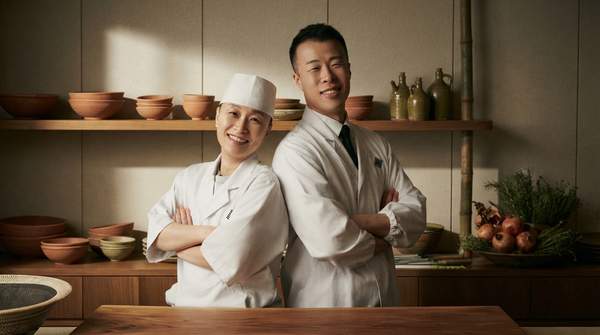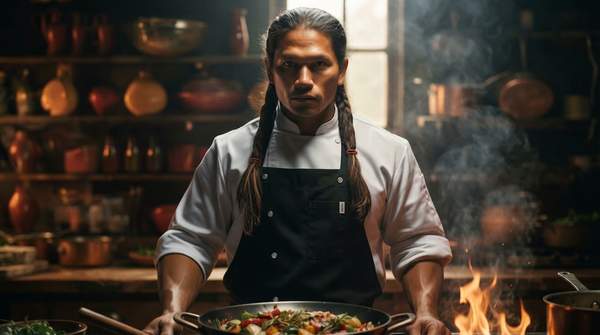
For more than a century, the role of the chef was largely confined to the heat and hustle of the kitchen. As one analysis notes, chefs were traditionally seen as cooks and creators who "toiled behind the scenes, entirely comfortable in their anonymity." That era of the unseen artisan has decisively ended. Today, the most influential chefs have stepped out of the kitchen and into the public sphere, transforming their profession into a multifaceted career. The modern culinary landscape now sees successful chefs operating as entrepreneurs, social activists, and even budding scientists, requiring a sophisticated skill set that marries culinary artistry with business acumen, advocacy, and technological innovation.
The Entrepreneur Chef: Business Acumen and Brand Building
One of the most significant evolutions in the culinary profession is the rise of the chef as an entrepreneur. In this model, exceptional creative talent is merely the starting point. As the International School Parent magazine points out, a chef who cannot manage food costs, position a brand, or lead a kitchen team will find their vision difficult to sustain. Success in this arena depends on the ability to develop culinary concepts that are not only artistically meaningful but also commercially viable. This requires a strategic mindset that extends far beyond the menu and into the core of business operations.
At the heart of the entrepreneurial chef’s work is the development of a strong, coherent culinary concept. This involves more than just good food; it encompasses a clear culinary identity, a deep understanding of the target audience, and a consistent menu philosophy. Furthermore, it demands expertise in brand storytelling, visual presentation, and creating an intentional service experience. These elements work together to transform a creative idea into a fully realized culinary world. By mastering both the kitchen and the boardroom, the entrepreneur chef builds a lasting brand and a sustainable business, proving that modern culinary success is as much about strategy as it is about skill.
The Social Activist Chef: Driving Change Through Food
Beyond the world of commerce, many chefs are embracing a "socially important role," using their influence to address critical global issues. These social activist chefs leverage their platforms to challenge the ways society eats and cooks, contributing to their communities and raising awareness about gastronomic challenges like malnutrition, sustainability, and food security. This archetype recognizes that chefs, like engineers or teachers, can make a profound and positive impact on society. After all, as one report highlights, the fundamental ability to feed people and identify healthy food sources remains a pressing global concern.
The work of an activist chef is rooted in advocacy and education. They act as storytellers and culture builders, encouraging healthier and more sustainable eating habits. To be effective, they must possess a deep understanding of the entire food system, from farming methods and responsible sourcing to the complexities of agricultural practices. By fostering communities of "like-minded culinary thinkers," these chefs are moving beyond their individual restaurants to shape public discourse and drive meaningful change in the food industry and beyond.
The Scientist/Innovator Chef: Culinary Exploration and Technology
A third archetype emerging is that of the scientist or innovator, a figure dedicated to pushing the boundaries of traditional cooking. These culinary pioneers are no longer the "lone rangers" of the kitchen. Instead, as described by the culinary research lab Kitchen Theory, they engage in forward-thinking, multi-disciplinary collaborations to elevate their creativity and the dining experiences they offer. By working with experts from other fields, they bring new perspectives and techniques into the culinary world, driving the industry forward.
This role demands an innovative mindset and a readiness to adapt to changing technologies. The innovator chef is constantly exploring new food concepts, refining techniques, and participating in global events and symposiums to share ideas on the profession's evolution. Their work is defined by a relentless curiosity and a commitment to advancing both the art and science of cooking. This pursuit of innovation is becoming a distinct career path, moving the chef from a creator of meals to a leader in food research and development.
Modern Chef Archetypes: A Comparative Framework
To clarify the distinctions between these evolving roles, the following framework compares their primary functions, motivations, and the specific non-culinary skills they require. This matrix highlights the different paths a culinary professional might take beyond the traditional kitchen, each with its own unique focus and impact.
| Archetype | Primary Focus | Key Non-Culinary Skills | Primary Arena |
|---|---|---|---|
| The Entrepreneur Chef | Business viability, brand development, and creating commercially sustainable culinary experiences. | Financial planning, cost control, pricing strategy, leadership, brand positioning, and customer experience design. | The Market |
| The Social Activist Chef | Encouraging healthier, more sustainable eating habits and raising awareness of global food issues. | Storytelling, communication, sustainability planning, and deep knowledge of supply chains and farming methods. | The Community |
| The Scientist/Innovator Chef | Culinary innovation, pushing the boundaries of traditional cooking, and engaging in multi-disciplinary collaboration. | An innovative mindset, adaptability to new technologies, and the capacity for collaboration with experts outside the culinary field. | The Lab |
Navigating the Evolving Culinary Profession
The modern culinary industry offers a landscape far broader and more varied than the traditional restaurant kitchen. The emergence of chefs as entrepreneurs, activists, and innovators demonstrates that success now depends on a diverse portfolio of skills. Beyond mastering technical cooking abilities, the chefs of tomorrow must understand everything from farming methods and design trends to brand positioning and financial management. These roles are not always mutually exclusive; a single chef may embody elements of all three. However, they represent distinct shifts in the profession's core responsibilities.
Aspiring and current culinary professionals should assess their interests and develop a broad range of non-culinary skills to thrive in the modern food industry. The increasing demand for chefs with diverse skills in business, advocacy, and innovation, as reflected in culinary education programs and industry job descriptions, serves as a clear indicator of this professional shift. Whether building a brand, advocating for change, or pioneering new techniques, the modern chef's impact is now felt far beyond the kitchen door.
Sources
- Lifestyle
- From Concept to Masterpiece: How Modern Chefs Are Trained for the Future of Culinary Arts — International School Parent
- CELEBRITY CHEFS ARE DEAD – WELCOME TO 2050 - Kitchen Theory — Kitchen Theory | Immersive Dining