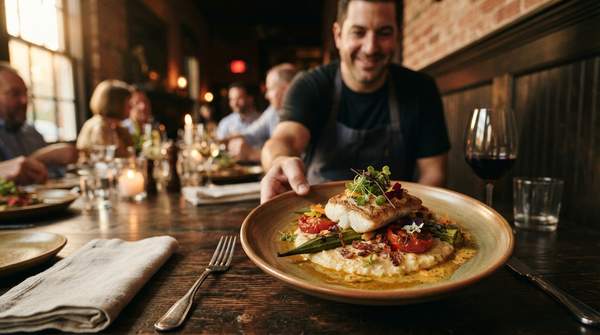
The trend that Yelp's 2026 Top 100 US Restaurants report calls "grandma-core" — sometimes "nonna-stalgia" — is not literally about eating your grandmother's cooking. It is about the feeling those meals created. According to Yelp's analysis, the trend centers on old-fashioned cooking, simple ingredients, and restaurants that feel warm and personal, evoking family recipes and the experience of being cared for at someone's home. Three American restaurants — Pepp & Dolores in Cincinnati, Carmelina's in Boston, and Enoteca Maria on Staten Island — show how the idea works in practice, and each maps neatly onto a three-part model you can use to spot the trend anywhere.
Defining 'Grandma-Core': Food, Atmosphere, and Experience
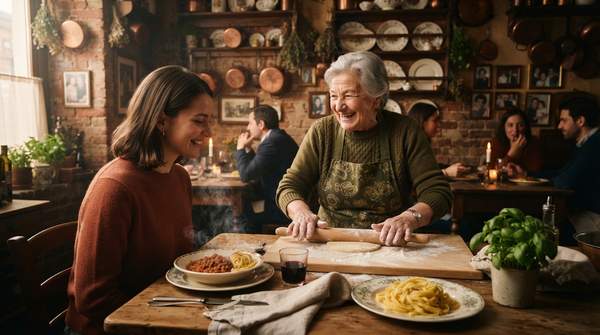
Multiple 2026 reports converge on the same anatomy. On the plate: slow-cooked dishes, handmade pasta, braised meats, and familiar desserts — food that prioritizes comfort over complexity. In the room: cozy, warmly lit spaces with vintage decor, floral patterns, lace tablecloths, and charmingly mismatched dinnerware. Around the table: hospitality that feels personal, sometimes communal seating, and, as one report describes it, even a "no cell phone" policy to encourage conversation. The through-line is a desire to slow down and enjoy predictability in an overstimulating world — a counter-movement, as one analysis puts it, to high-tech, highly manipulated, or overly minimalist dining.
The Culinary Heart: Simple, Comforting Food
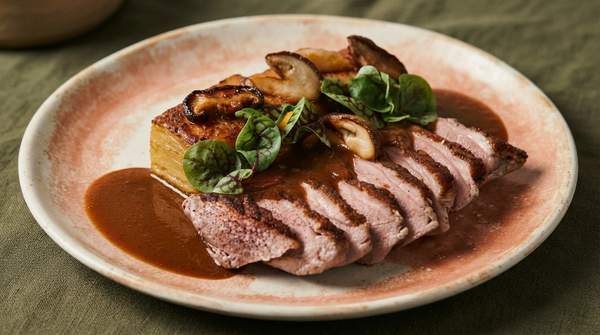
The menu is where grandma-core announces itself. Yelp's report identifies a growing appetite for old-fashioned cooking built on simple ingredients: simmered sauces, handmade pastas, braised meats, casseroles, pot roasts, and desserts that, as Good Housekeeping's Samantha Leal writes, "taste like memory." The point is not culinary ambition but emotional recognition — dishes that connect diners with memories rather than impress them with technique. The National Restaurant Association's 2026 Culinary Forecast backs this up, identifying comfort and nostalgia as major forces shaping menus, with value named as the major consumer priority. Diners want food that feels like a family table, not another polished dining room.
A Warm Embrace: Atmosphere and Ambiance
If the food is the heart, the decor is the cardigan. Reports describing the trend consistently evoke "granny-chic" aesthetics: vintage decor, floral patterns, lace tablecloths, delicate teacups, antique silverware, and mismatched plates and serveware. The setting is deliberately whimsical and homey — intimate, warmly lit spaces that offer, in one report's phrasing, a break from modern, fast-paced lives. This is design as emotional architecture: the room signals that you have been invited somewhere personal, not processed. It is the visual opposite of the minimalist dining rooms that previously dominated, and that contrast is precisely the appeal.