When a chef plates a dish that seems to unfold in stages—bright at first, then deep, then lingering—there is no accident at work. Flavor is not a single sensation but a construction the brain assembles from taste, aroma, texture, temperature, and trigeminal input, and chefs deliberately manipulate each channel to control the result. Understanding the mechanisms behind that manipulation turns a mysterious craft into a readable design.
The Multi-Sensory World of Flavor: Beyond Taste
The everyday word "taste" undersells what actually happens when we eat. The brain combines data about scent reaching the olfactory nerves, molecules interacting with taste buds, and textures and temperatures changing mouthfeel into one unified impression. Stored memories, expectations, and new experiences also feed into that perception, which is why the same tomato can taste vivid off a summer vine and dull from a January supermarket bin. This integration is a complex process: the brain fuses multiple sensory streams rather than experiencing them separately. That fusion is precisely what a chef is steering.
Taste: The Tongue's Direct Connection
Taste is the most familiar channel: direct chemical interaction with taste buds on the tongue, detecting sweet, sour, salty, bitter, and umami. Those signals are integrated in the brain into a single, nuanced impression that chefs learn to steer. The practical lever is balance and contrast. Culinary guidance on tasting menus suggests pairing umami-forward dishes with light acidity or crisp textures, a combination that reveals more layers and preserves balance across a multi-course sequence. The timing of release matters too: a slow, sustained release deepens lingering umami, while an abrupt release creates bright aromatic contrast. Chefs choose ingredients and techniques to deliver the intended sensory outcome, which is one reason precision methods are common in high-end kitchens.
Aroma: The Hidden Power of Smell
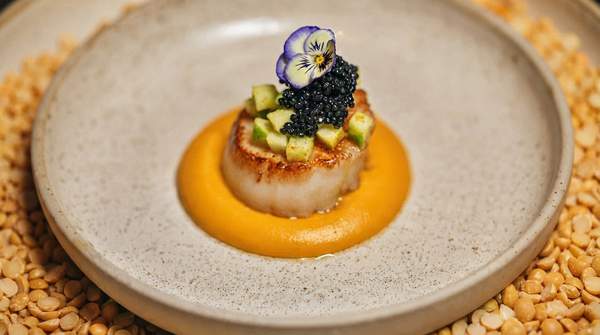
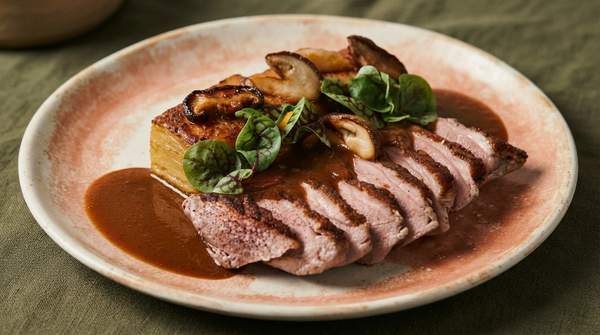
Aroma does much of flavor's quiet work. Olfactory receptors sample volatile molecules, especially retronasally—as aromas travel from the mouth up to the nose during eating. This is why flavor seems to live "in the mouth" even though much of it is smell. Temperature is the chef's main control here, because temperature affects the volatility of aromatic compounds and the mouthfeel of a dish. Warmer temperatures promote aroma release and highlight roasted, Maillard-derived notes, while cooler temperatures preserve delicate volatiles—chilled caviar keeps its fresh briny quality, while warm seared meat emphasizes roasted aromas. Research on food perception also notes that many foods, such as cheese or fruits, taste best at room temperature. Different foods have different optimal temperatures, so the effectiveness of any manipulation depends on the specific food and the desired outcome.