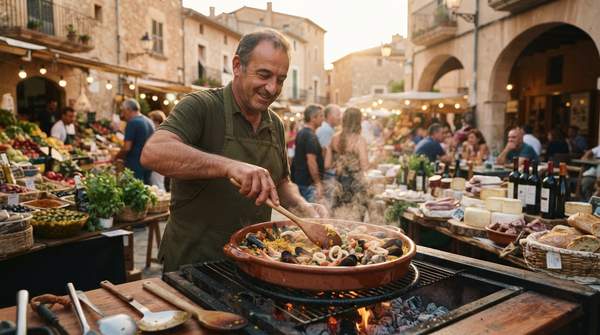
In a global study, a staggering two-thirds of participants reported consuming grilled chicken as a street food. This simple, smoky aroma, often tied to specific local traditions, instead wafts through markets worldwide, a familiar promise drawing people in. Street food culture thrives on unique regional flavors, each dish a local story. Yet, this universal embrace of staples like grilled chicken creates a fascinating tension, challenging our notions of authenticity. Street food, then, serves as a crucial, accessible, and unifying culinary experience, reflecting both local identity and surprising global trends, inviting us to look beyond the exotic toward the universally cherished.
More Than Just a Quick Bite: Defining Global Street Food
My senses often lead me through bustling markets, alive with the sizzle and scent of countless culinary creations. Uncornered Market's guide, for example, shares 50 favorite street foods from 50 different countries, showcasing immense global scope. These quick bites anchor daily life, telling tales of a community’s palate. Street food offers a direct window into a culture, far beyond formal dining. It's a vibrant, accessible phenomenon, letting anyone taste a place's authentic flavors. This widespread presence suggests a universal human desire for immediate, genuine culinary connection, making street food a fundamental aspect of global eating habits.
Regional Icons: Flavors Woven into Local Culture
Stepping into the lively streets of Salta, Argentina, the aroma of freshly baked empanadas fills the air. Empanadas are a staple of Argentine cuisine, with the best found in the Salta region, according to Uncornered Market. Each delicate pastry, crimped with care and bursting with savory fillings, tells a story of local ingredients and generations of tradition. These dishes aren't just food; they are cultural hallmarks, embodying the spirit and history of their origins. This deep regional embedding suggests street food acts as a vital guardian of culinary heritage, preserving unique flavors against a homogenizing world.
Why Street Food Matters: Beyond the Plate
Beyond simple sustenance, street food connects us to a city's pulse. A writer and chef explored Jaipur's street food and palatial sites, as reported by The New York Times. This journey shows street food as a gateway to cultural immersion and heritage. Engaging with vendors, often keepers of age-old recipes, offers an intimate glimpse into local life. Their stories, the bustling environment, and a shared meal weave a tapestry of human connection. The communal table, where strangers become neighbors, demonstrates street food's vital role in fostering community and economic resilience worldwide.