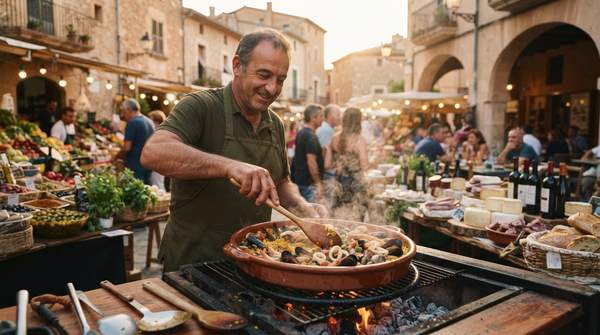
Every region eats. Not every region gets eaten at — not on purpose, anyway. The difference between a place with good food and a place travelers plan entire holidays around comes down to a handful of interconnected factors that academic research keeps circling: authentic local food culture, real infrastructure and government backing, savvy marketing, and a community that actually wants visitors at the table. I've spent enough time in markets and festival queues to know the magic isn't accidental — and the literature agrees. Here's the framework, and how the pieces lean on each other.
The Pillars of Culinary Tourism Success: A Structured Framework
When researchers systematically review what makes food tourism work, the same categories keep surfacing. A literature review of culinary tourism strategies identified local culinary branding, festivals and events, dedicated culinary infrastructure and districts, digital promotion, preservation of traditional cuisine, and cross-sector collaboration as the key levers. A separate study using a systematic review plus Delphi expert consensus went further, identifying 22 factors grouped into six dimensions, with government support singled out as especially critical. What the research also makes clear is that these aren't a menu you order from à la carte. A festival without authentic food is a fair; authentic food without infrastructure is a nice lunch you can't get to. The four-pillar model below organizes the evidence into something you can actually diagnose a region against.
Pillar 1: Foundational Resources – The Authentic Core
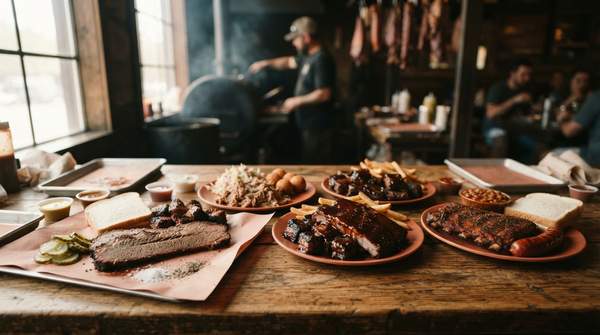
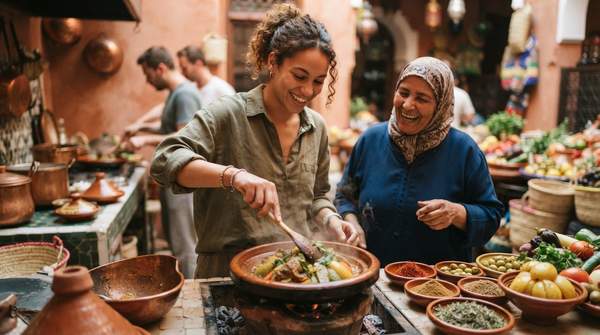
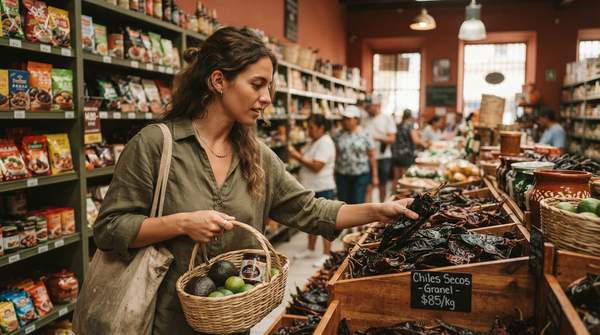
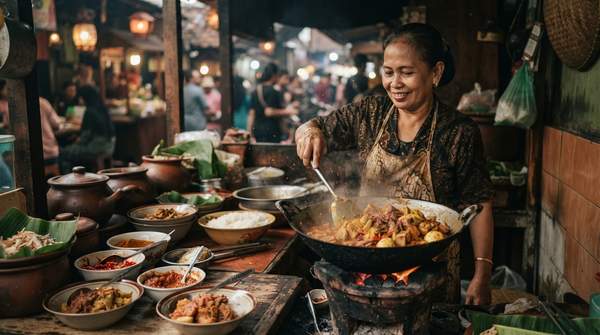
Start with what's already in the ground, the water, and the grandmother's recipe book. Foundational resources are the distinctive ingredients, traditional dishes, and culinary identities that no marketing campaign can invent. Market analysis of culinary tourism points to exactly this: highly distinctive identities shaped by trade routes, migration, and local ingredients — Emirati and Levantine dishes in the Gulf, tagines and couscous in Morocco, indigenous braai traditions in South Africa. Tourists are drawn to traditional cooking methods, heritage food markets, and festive meals reflecting centuries-old customs, making food what that analysis calls an essential gateway to understanding local culture and history. This is the bedrock. Everything else in the framework exists to amplify it, not substitute for it.