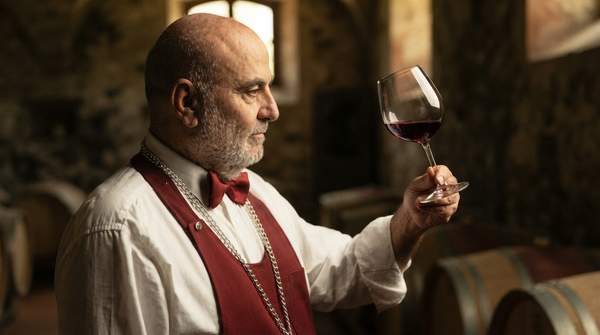
Ask what a sommelier does and most people picture a wine expert hovering tableside. That picture is out of date. The Court of Master Sommeliers Americas describes today's sommelier as a leader of wine service who is "often responsible for the entire beverage selection, including beer, sake, spirits, and cocktails." The job has expanded from managing a cellar to running a full beverage program — and that expansion has opened career paths far beyond the restaurant floor.
The Sommelier's Journey: From Cellar Master to Beverage Professional
The title has humbler roots than the velvet-lined wine cellar suggests. According to Augusta Vin, a Fredericksburg, Texas winery that has documented the profession's history, the old French term "bete de somme" meant "a beast of burden," and a sommerier was a herdsman. Later the word evolved and the role grew more specialized: sommeliers handled French royalty's baggage during travel, and in the homes of lords they chose wines, desserts, and table settings — even using a tastevin to test the lord's wine and food for poison.
The modern restaurant role arrived after the French Revolution, when chefs displaced from aristocratic households opened their own establishments. In that wine-loving society, restaurants needed beverage professionals and began hiring wine experts then called "wine stewards." Augusta Vin notes these early stewards held little prestige; they were often cooks who had failed at cooking and were put to other tasks.
Defining the Modern Sommelier: Beyond Wine Expertise
The contemporary definition stretches well past wine lists. Per the Court of Master Sommeliers Americas, a sommelier uses their skills to create wine lists, coordinate food pairings, facilitate wine education, and craft an elevated dining experience — with the entire beverage selection, from beer to sake to spirits and cocktails, falling within their responsibility.
That breadth is now baked into formal credentialing. The Court's Certified Sommelier Exam Guide asks candidates to "describe ingredients, mixers, and garnishes of standard classic cocktails," citing examples from the Mojito and Negroni to the Margarita and Old Fashioned, and to "recommend example producers of major beer styles of the world, sake, aperitifs, spirits, and liqueurs." The organization's Hospitality & Service Exam Standards state plainly that, in addition to wine expertise, sommeliers are expected to have "a comprehensive understanding of spirits and cocktails," including ingredients, preparation methods, and presentation standards.