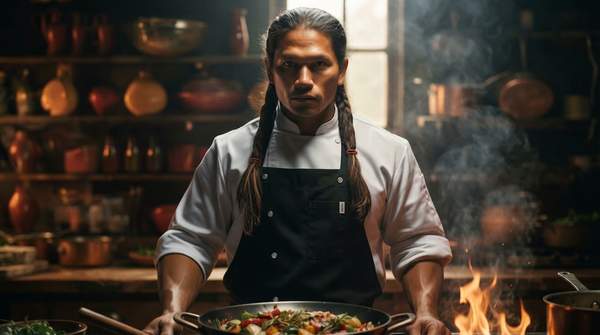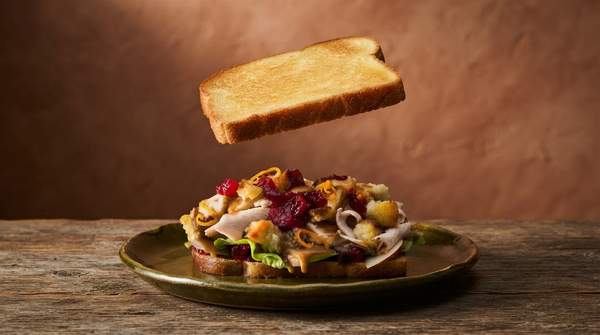
Modern food photography has quietly stopped trying to look perfect. The defining trend of the moment, according to Monica Stevenson's studio, is intentionality: every element in the frame has a purpose, styling is thoughtful rather than maximal, and lighting is precise rather than overpowering. That shift has produced a handful of recognizable visual languages — the grounded, story-driven editorial look; the moody drama of low-key contrast; and the saturated punch of high-dynamic-range imagery. Here's a framework for spotting each one, and the photographers whose work makes the abstract style concrete.
The Evolution of Food Photography: From Documentation to Storytelling
The genre's center of gravity has moved from documentation toward narrative. Le Cordon Bleu's culinary arts institute frames food photography as "a form of visual storytelling," arguing that a good photograph should tell you where a dish came from, how it was prepared, and what flavors and textures to expect. That's a taller order than it sounds, and it changes what photographers actually do on set.
Stevenson's studio describes 2026's aesthetic as "grounded, expressive, and deeply human," with brands and restaurants wanting images that reflect how dishes are actually experienced — natural imperfections, honest portions, real environments. The goal, as they put it, is not to impress through spectacle but to invite viewers into a believable moment. Styling follows the same logic: restraint and realism, with stylists enhancing ingredients rather than manipulating them, and textures mattering more than polish.