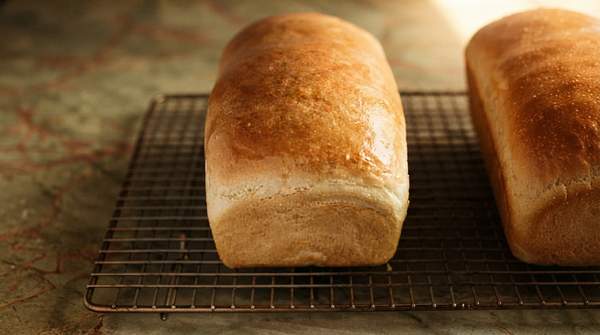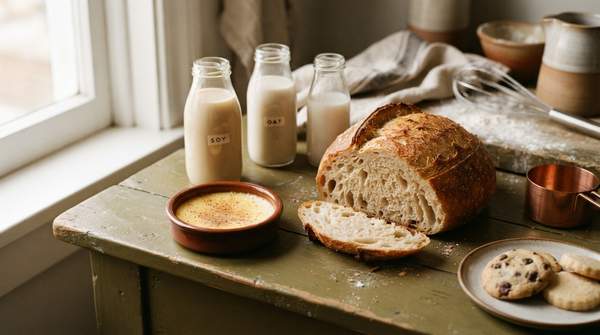
If you're standing in the dairy aisle wondering which plant milk can actually carry a loaf of bread or set a pumpkin pie, the answer is refreshingly unglamorous: unsweetened soy milk. When King Arthur Baking ran head-to-head baking trials in August 2024, loaves made with soy milk rose just like their whole-milk twins and had what tester PJ Hamel called near-identical texture. The reason comes down to one number on the nutrition label—protein—and once you understand it, every other swap becomes a calculated trade-off rather than a gamble.
Beyond Dairy: Understanding Plant Milks in Baking
Here's the thing most roundups won't tell you: any plant milk can replace dairy milk at a 1:1 ratio, but only some should. Food Network's Heath Goldman, who baked dairy-free long enough to develop strong opinions, puts it bluntly—options like hemp and coconut milk will bully the flavor of your bake until it tastes like them, not like the recipe you intended. The goal, as she frames it, is a treat that looks and tastes like it contains dairy.
King Arthur's test kitchen took a more forensic approach, baking recipes heavy on milk with soy, pea protein, almond, oat, refrigerated coconut, and cashew milks, then judging rise, texture, mouthfeel, flavor, and browning. Food52 ran its own gauntlet with a custard-based pumpkin pie tart. Their verdicts rhyme with Goldman's, and the pattern that emerges is consistent enough to plan your bake around.
The Protein Factor: Why It Matters in Your Bake
Protein is the biggest nutritional difference between these milks, and it's the difference that shows up in your crumb. One published review of commercial products, cited by VegKitchen, measured roughly 8 grams of protein per cup of cow's milk, against about 6 grams for soy, 7.5 for pea milk, 2.7 for oat, and just 1 for almond. Brands vary, so the label is the final word.
Why does this matter in the oven? Protein builds structure and richness, and it drives browning. Delish's Makinze Gore, relaying a professional baker's cake tests, reports that soy milk's fat and protein content so closely mirrors whole milk that the cake's look, appearance, and taste came out identical. Strip that protein down to almond's single gram, and your batter loses the scaffolding that gives custards their set and breads their sliceable integrity.
Soy Milk: The Versatile Workhorse for Structure and Richness
Soy milk is the plant-milk equivalent of a reliable friend who shows up on time. In King Arthur's bread trials, its loaves rose similarly to the whole-milk loaves with near-identical texture. In food52's pumpkin pie showdown, soy took first place—"creamy like milk and bakes similarly, too," their tester wrote, promising you won't believe it isn't dairy. Delish's cake testing found the same: virtually no difference from whole milk.
The one caveat is flavor. Some soy milks carry a faint legume note, though Goldman's verdict is that soy is "by far the best for baking," and in unsweetened varieties the beany edge is usually a minor concern—especially once chocolate, spice, or vanilla enters the picture. For breads, cakes, muffins, and custards, it's the closest thing to a universal swap.
Oat Milk: Creaminess and Sweetness for Soft Bakes
Oat milk brings natural sweetness and a creamy pour, which makes it charming in soft, tender bakes like cookies and pancakes. But structure is not its gift. At roughly 2.7 grams of protein per cup, it simply can't scaffold the way soy can, and King Arthur's trials showed the consequences: oat-milk loaves actually rose taller than the others, but they were very crumbly when sliced. Cashew milk shared that exact fate—impressive height, fragile crumb.
The gumminess risk is most pronounced where gluten development or a custard's set is doing the heavy lifting, so yeasted breads and custards are where oat milk is likeliest to disappoint. One more flag: if you're baking for someone wheat-sensitive, oat milk carries a potential cross-contamination risk worth checking on the label.
Almond Milk: Best for Lighter Batters, Avoid for Structure
Almond milk is the lightweight of the lineup—about 1 gram of protein per cup—and that lightness is both its charm and its curse. Food52's tester found it made an "ugly and watery pie," a solid no for custard-based desserts, while noting that past experience has proven almond milk great in pancakes, cookies, and cakes, where structure matters less and its subtle flavor disappears into the batter.
So think of almond milk as a background singer, not a lead: lovely in a quick pancake batch or a tender cookie dough, out of its depth in anything that needs to rise tall, set firmly, or slice cleanly. And obviously, it's off the table entirely for nut-free baking.
Plant Milk Baking Performance at a Glance
This table distills the tested outcomes above—King Arthur's bread trials, food52's custard test, Goldman's flavor guidance, and the protein figures from the published nutritional review—into a quick-reference guide. Read it as a decision matrix: match your recipe's structural demands to the milk's protein, and steer around the documented failure modes.
| Plant Milk | Best For | Avoid In | Key Characteristic (Flavor/Texture) |
|---|---|---|---|
| Soy | Breads, cakes, muffins, and custards—a reliable 1:1 dairy stand-in | Recipes where even a faint legume note is unwelcome (rare; usually masked by other flavors) | About 6g protein per cup, near dairy's 8g; neutral flavor; rises and browns like whole milk |
| Oat | Soft bakes—cookies and pancakes—where its sweetness helps | Breads prone to gumminess or crumbly slices; custards; wheat-sensitive baking (cross-contamination risk) | About 2.7g protein per cup; sweet and creamy; rose tall in trials but crumbled when sliced |
| Almond | Pancakes, cookies, and lighter cakes | Custards (watery results), structure-heavy breads, and any nut-free bake | About 1g protein per cup; light body, subtle flavor |
| Cashew | No standout use in the cited bread trials | Yeasted loaves—rose tall but very crumbly when sliced | Tested by King Arthur; impressive rise, fragile crumb |
The pattern in the table is the protein gradient made visible: the milks closest to dairy's 8 grams behave most like dairy, while the low-protein options trade structure for their own personality. Pea protein milk, at roughly 7.5 grams per cup, was included in King Arthur's trials and looks promising on paper, but the cited excerpts don't report its specific results—so treat it as a candidate to test in your own kitchen rather than a proven performer.
Make Your Best Bake: Choosing the Right Plant Milk
For reliable dairy-free baking, prioritize plant milks with higher protein content, such as soy milk, for recipes requiring structure and richness, and opt for lower-protein milks like almond for lighter, less structural bakes. Practically: reach for unsweetened soy when the recipe leans on milk for body—bread, custard, cake—and save oat and almond for bakes where tenderness matters more than architecture. Check the label's protein grams before you commit, since brands vary from the published averages.
The final texture, rise, and browning of your baked good will consistently meet expectations when the chosen plant milk's properties align with the recipe's requirements. Your measurable checkpoint: a soy-milk loaf should slice without crumbling and brown like its dairy twin—exactly what the trials showed. If it does, you've found your swap.