In 2023, nearly one in four Americans reported eating all their meals alone the previous day, marking a stark 53% increase since 2003, according to World Happiness data. This pervasive solitude extends beyond mere preference, signaling a profound shift in societal interaction that leaves many individuals without regular opportunities for meaningful connection. The sustained rise of solitary eating underscores a broader issue of dwindling communal experiences, impacting the very fabric of social cohesion within modern society.
Social isolation is rapidly increasing with severe health consequences, yet the simple, accessible solution of shared meals remains often overlooked. The absence of routine social engagement contributes significantly to poor psychological well-being, increased mortality rates, and cognitive decline, as meticulously detailed by PMC. This widening chasm between individual needs for connection and available social infrastructure presents a critical public health challenge that demands innovative responses from various sectors, including the culinary world.
As society grapples with an epidemic of loneliness, fostering communal dining experiences in restaurants presents a tangible and effective path toward improved public well-being and stronger community ties. This approach, which strategically designs and facilitates shared meals, offers a uniquely scalable and profitable solution that traditional dining models cannot effectively replicate, addressing the pressing benefits of dining side-by-side in restaurants.
The dramatic rise in solitary eating since 2003, as meticulously documented by World Happiness data, presents a unique market opportunity for astute restaurateurs. Approximately one in four Americans consumed all their meals alone in 2023, a trend that has surged by 53% over two decades, illustrating a profound shift in social behavior. This escalating social isolation is not merely an indicator of changing lifestyles but a burgeoning public health crisis, with PMC linking chronic loneliness to poor psychological well-being, increased mortality, and cognitive decline, underscoring its profound societal implications.
Restaurants that strategically design communal dining experiences are not simply filling seats; they are tapping into a burgeoning market desperate for genuine connection. Based on this 53% surge in solitary eating, establishments that prioritize shared tables and facilitated interaction are turning a significant societal crisis into a profitable opportunity. This approach addresses a fundamental human need for belonging while simultaneously offering a compelling business model for the culinary industry in 2026, positioning dining establishments as vital community hubs.
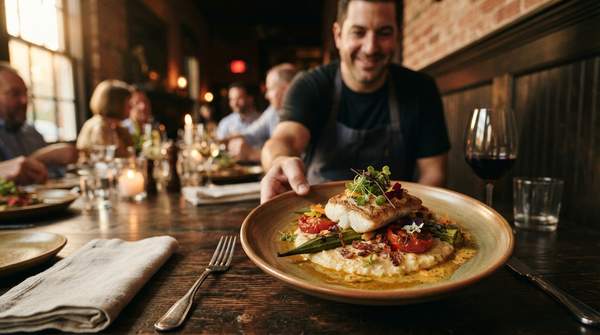
The Proven Power of Shared Plates
Structured shared meal programs significantly impact attendees’ social networks and perceived well-being, according to the health and well-being impacts of community shared meal programs. These initiatives provide crucial opportunities for individuals, particularly older populations, to connect within their communities, enhancing their sense of belonging and mitigating feelings of isolation. The intentional design of these programs fosters environments where social bonds can naturally form and strengthen, transcending mere transactional interactions.
While significant associations were reported between shared meal programs and improved dietary intake, only minimal improvements were noted for physical health measures, as detailed by PMC. This nuanced finding suggests communal dining’s primary value lies not in direct weight loss or disease prevention, but as a potent, accessible antidote to the psychological toll of loneliness, which itself carries severe, long-term health consequences. Counterintuitively, individuals served themselves larger portions when they anticipated a social occasion compared with an equivalent solitary meal, a phenomenon highlighted by Nature. This tendency implies that communal dining might improve dietary intake not just through increased variety, but by simply encouraging more substantial consumption within a positive, connected environment, fostering a more holistic approach to well-being.
Overcoming the Awkward: Designing for Connection
Overcoming initial hesitations and potential awkwardness inherent in communal dining requires intentional design and adept staff facilitation. Staff at communal dining establishments are specifically trained on techniques to engage shy tables and subtly reroute conversations, as reported by Eater. This proactive approach transforms a simple shared table into a vibrant hub for organic social interaction, ensuring that diners feel comfortable and encouraged to connect with their temporary companions.
Simply installing communal tables is insufficient for achieving genuine social impact. The evidence from Eater, highlighting the necessity of staff training to engage shy tables, reveals that true impact on social well-being, as noted by PMC, stems from intentional facilitation, much like how therapeutic crafts foster mindfulness. This paradigm makes the host role more akin to a social engineer than a traditional server, actively shaping the dining experience to maximize meaningful social engagement. Such deliberate efforts are crucial for communal dining to deliver its promised benefits effectively, moving beyond mere shared space to cultivated connection.
A Profitable Path to Connection
Beyond the inherent social benefits, communal dining offers a compelling and often overlooked business model for restaurants seeking to optimize their operations. Communal tables can significantly raise a restaurant’s profits by expanding the number of guests it can serve, according to Restaurant Furniture. This increased seating capacity is particularly advantageous in smaller or high-demand urban spaces, allowing establishments to maximize their physical footprint and accommodate a greater volume of patrons during peak hours without compromising the dining experience.
Fostering community can also be a significant driver of profitability and operational efficiency. By optimizing seating arrangements to encourage interaction, restaurants not only enhance the customer experience by offering a unique social dimension but also improve their crucial operational metrics. This strategic integration of social responsibility with astute business acumen allows restaurants to thrive financially while simultaneously addressing a profound societal need for connection and shared experience.
Reclaiming the Table for a Connected Future
Embracing communal dining is not merely a passing trend, but a vital and strategic imperative for individuals, businesses, and communities to collectively combat isolation and cultivate a more connected, happier society. The intentional design and expert facilitation of shared meals offer a scalable, accessible solution to the rising tide of loneliness that pervades modern life. This approach fundamentally redefines the restaurant's role, positioning it as a crucial social infrastructure rather than solely a place for transactional sustenance.
By 2026, forward-thinking hospitality groups like "The Gathering Table Collective" are projected to expand their communal dining concepts across major metropolitan areas, aiming for a 25% increase in their shared-table venues. The expansion demonstrates a tangible commitment to leveraging culinary spaces as catalysts for social interaction, offering a compelling blueprint for how the industry can proactively address pressing societal challenges while achieving consistent commercial success and fostering a more integrated community.