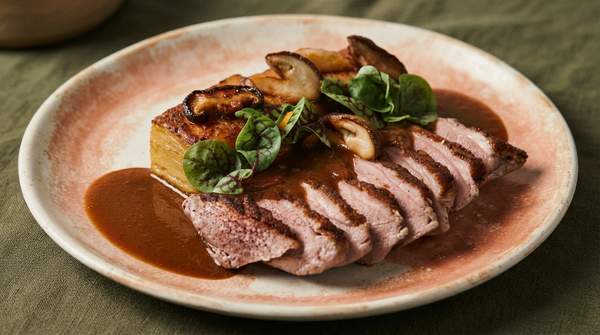
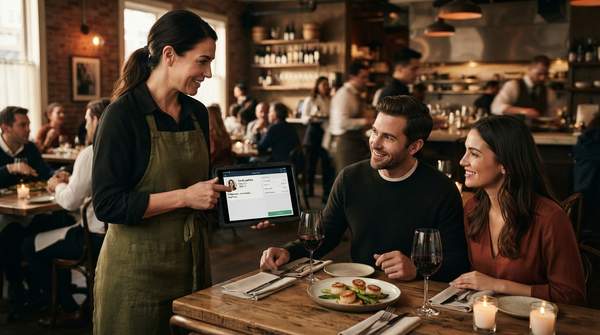
At Fountain Grains & Greens, protein and modifier sales have surged by 300% to 400%, signaling a dramatic shift in diner preferences driven by the rise of weight-loss medications, according to the Los Angeles Times. A 300% to 400% surge in protein and modifier sales demands immediate menu adaptations for GLP-1 weight loss drug users, impacting not just dishes but entire operational strategies.
The widespread use of GLP-1 weight-loss drugs might suggest a decline in restaurant patronage. Yet, users are dining out more frequently, actively seeking specific menu adaptations. Users dining out more frequently and actively seeking specific menu adaptations challenges assumptions that reduced appetite means fewer restaurant visits, instead highlighting a demand for tailored culinary experiences.
Restaurants strategically adjusting offerings for GLP-1 users' evolving dietary needs will likely gain a significant competitive advantage and secure a loyal customer base. Success demands a nuanced understanding of nutritional science and consumer behavior.
The Unexpected Shift in Dining Habits
GLP-1 users reported purchasing a meal, snack, or beverage from a restaurant 7.6 times weekly, compared with 5.1 times for non-users, according to the 'restaurant' source. GLP-1 users purchasing a meal, snack, or beverage from a restaurant 7.6 times weekly, compared with 5.1 times for non-users, directly challenges the notion that appetite suppressants reduce patronage. Moreover, over nine in ten GLP-1 users indicate they would order menu items aligning with their specific food and beverage preferences, demonstrating a discerning and active customer base. While individual meal sizes may shrink, overall engagement with restaurants remains strong, shifting the challenge from sheer volume to menu specificity. Restaurants failing to adapt for this frequent demographic miss a significant revenue opportunity.
A Growing Market Segment
One in eight adults are currently taking some form of GLP-1 medication, according to the 'restaurant' source. The widespread adoption of GLP-1 medication by one in eight adults means restaurants can no longer view this demographic as niche. It is a substantial, influential portion of their customer base, demanding a broad industry response.

Menu Evolution: From Portions to Protein
The recent emphasis on protein intake stems from GLP-1 medications, which decrease appetite and make preserving lean muscle mass challenging during weight loss, as reported by the Los Angeles Times. The physiological need to preserve lean muscle mass during weight loss, a challenge with GLP-1 medications, drives demand for protein-centric menu items. Concurrently, GLP-1 drugs could be changing restaurant beverage trends, with operators experimenting with wellness drinks, smoothies, lemonades, and alcohol-free cocktails, according to Fox News.
The Los Angeles Times reports a 300-400% surge in protein and modifier sales at Fountain Grains & Greens, a dramatic shift in diner preferences. In contrast, Fox News indicates limited-service operators plan to add wellness drinks in 2026. The 300-400% surge in protein and modifier sales reported by the Los Angeles Times, contrasted with Fox News indicating limited-service operators plan to add wellness drinks in 2026, suggests a significant disconnect between rapid market demand from GLP-1 users and the slower adaptation timelines of many restaurant businesses, potentially leaving them behind. The industry is moving beyond smaller portions, focusing instead on nutrient density and specific beverage categories to meet GLP-1 users' unique physiological needs.
Who's Adapting, Who's Lagging
Among limited-service operators, 24% planned to add new wellness drinks in 2026, 26% energy drinks, 29% smoothies, and 27% lemonades, according to Fox News. Projections that 24% of limited-service operators planned to add new wellness drinks in 2026, 26% energy drinks, 29% smoothies, and 27% lemonades suggest a cautious, incremental approach. Conversely, Smoothie King partnered with registered dieticians from Ochsner Health to create their recipes, as noted by wasserstrom. Smoothie King's partnership with registered dieticians from Ochsner Health to create their recipes validates 'wellness' offerings with expert backing, moving beyond generic health claims. Restaurants investing in research, development, and expert partnerships will lead this evolving market, ensuring menus genuinely cater to GLP-1 users' specific dietary needs for protein and lean muscle preservation.
Industry Watch: A Broader Health Trend
GLP-1 medications are part of a wider health and wellness movement impacting restaurant strategies. Chad Moutray, chief economist at the National Restaurant Association, states GLP-1 medications are one of several health trends operators are watching, according to Fox News. GLP-1-driven menu changes are not isolated; they signify an enduring shift towards health and wellness restaurants must continually monitor. The broader trend of GLP-1 medications being part of a wider health and wellness movement, as noted by Chad Moutray, suggests sustained industry focus on health-forward options beyond immediate drug impacts.
The restaurant industry's future success will likely hinge on its agility in responding to evolving consumer health trends, with GLP-1 users serving as a bellwether for future dietary demands and demanding immediate, fundamental menu overhauls.